
The HIPAA Security Rule doesn't care about your intentions. It cares about what you've implemented, documented, and can demonstrate during an audit. I've watched healthcare organizations spend months building elaborate security programs that look impressive in PowerPoint but fall apart when regulators ask to see evidence of actual operational controls. The Security Rule isn't vague—it's specific about what needs protection and gives you structured categories to organize your approach.
Published in 2003 as part of the Health Insurance Portability and Accountability Act, the HIPAA Security Rule establishes national standards for protecting electronic protected health information (ePHI). Unlike the Privacy Rule, which governs all forms of PHI, the Security Rule focuses exclusively on electronic data. It requires covered entities and business associates to implement administrative, physical, and technical safeguards to ensure the confidentiality, integrity, and availability of ePHI.
Understanding these three safeguard categories isn't academic exercise. They form the backbone of every HIPAA compliance program I've built or audited. Each category addresses different attack surfaces and operational risks. More importantly, they work together—a failure in one area typically exposes weaknesses in the others.
Administrative Safeguards: The Foundation of Your Security Program
Administrative safeguards are policies and procedures designed to manage the selection, development, implementation, and maintenance of security measures. The OCR calls them administrative, but they're really your governance layer. They answer the question: who decides what security looks like here, and how do those decisions get enforced?
The Security Rule identifies nine administrative safeguards, four of which are required standards. The pattern I see most often is organizations treating these as paperwork exercises—writing policies that sound good but don't reflect actual operations. That creates two problems: you're not actually protected, and you've created documentary evidence of non-compliance.
Security Management Process
This is the required standard that trips up more organizations than any other. It demands four specific activities: risk analysis, risk management, a sanction policy, and an information system activity review. Not recommendations. Requirements.
Risk analysis means identifying where ePHI lives, flows, and gets processed, then evaluating threats and vulnerabilities to that data. Most organizations do this once during initial compliance work and never update it. That doesn't work. Your environment changes—new applications get deployed, cloud services get adopted, staff turnover happens. I've seen OCR investigations focus specifically on whether risk analyses reflect current state, not just the state from three years ago when someone checked a compliance box.
The sanction policy requirement is straightforward but frequently ignored: you need consequences for security violations, and you need to apply them. If employees know they can violate security policies without repercussions, your entire program becomes theater. Document the sanctions, apply them consistently, and keep records. During audits, investigators will ask for evidence that violations resulted in action.
Assigned Security Responsibility
Someone needs to be formally designated as responsible for developing and implementing your security policies. This can't be implicit or distributed across multiple people without clear authority. The requirement exists because compliance programs without single-point accountability tend to drift.
In smaller organizations, this might be your practice administrator wearing another hat. In larger systems, it's typically a CISO or information security director. The title matters less than the formal designation and the authority to make security decisions. If your designated security official can't actually enforce policies or allocate resources, you have a paper designation that won't survive scrutiny.
Workforce Security and Training
Workforce security covers three implementation specifications: authorization and supervision, workforce clearance procedures, and termination procedures. In operational terms, this means you control who gets access to ePHI, you have a process for granting that access, and you have a process for revoking it when someone leaves or changes roles.
Security awareness training is the requirement that everyone knows about and most organizations handle poorly. Annual click-through training that no one remembers completing doesn't satisfy the standard. The specification requires training on security policies and procedures, and it requires refresher training when environmental or operational changes affect ePHI security. That means training needs to be specific to your environment, not generic cybersecurity awareness content.
I recommend role-based training that reflects actual job functions. Your billing staff needs different training than your clinical staff. Your IT team needs different training than your executives. Generic training misses context and fails to change behavior, which is the actual goal.
Need to Educate Your Leadership Team on HIPAA?
Carl delivers compliance training that connects regulatory requirements to business risk. His presentations cut through complexity and give teams practical frameworks they can actually use.
Book Carl to SpeakPhysical Safeguards: Controlling Access to Systems and Facilities
Physical safeguards protect the buildings, equipment, and physical media where ePHI exists. This is where compliance programs often show their age—many were designed when ePHI lived primarily on servers in closets, not distributed across cloud services and mobile devices.
The Security Rule defines four physical safeguards, all of them required standards. They address facility access, workstation use, workstation security, and device and media controls. The challenge is applying these standards in environments that don't resemble the 2003 healthcare IT landscape.
Facility Access Controls
You need policies and procedures to limit physical access to systems that contain ePHI while ensuring authorized access for necessary operations. This includes four implementation specifications: contingency operations, facility security plan, access control and validation procedures, and maintenance records.
In practical terms, this means you control who can enter areas where ePHI systems are located. For on-premise servers, that's straightforward—locked rooms, badge access, visitor logs. For cloud-based systems, it means your vendor needs facility controls, which is why understanding regulatory compliance in vendor contracts matters. Your business associate agreement should reference their physical security controls, but you're still responsible for verifying they exist.
The maintenance records specification requires documentation of repairs and modifications to physical components related to security. This catches people off guard because it means tracking things like lock replacements, security camera maintenance, and badge system updates. The logic is sound: if someone can compromise physical security through unmaintained controls, your ePHI is exposed.
Workstation Use and Security
These standards address how workstations that access ePHI should be used and protected. Workstation use policies specify proper functions, the manner of performance, and physical attributes of the surroundings. Workstation security implements physical safeguards to restrict access to authorized users.
This is where clean desk policies, screen locks, and positioning of monitors to prevent casual viewing come into play. In clinical environments, I've seen workstations positioned so that screens face waiting areas—clear violations. The policy needs to specify where workstations can be placed, how they should be oriented, and what happens when they're unattended.
The remote work shift has complicated this significantly. When clinical staff access ePHI from home offices, your workstation security policies need to extend there. You can't enforce the same physical controls, but you can require VPNs, screen privacy filters, and policies about who else might be present during access. Document the compensating controls and make them specific.
Device and Media Controls
This standard addresses the receipt, removal, and disposal of hardware and electronic media containing ePHI. It includes four implementation specifications: disposal, media re-use, accountability, and data backup and storage.
Disposal requirements mean you can't just throw old hard drives in the trash or donate old computers without first ensuring ePHI is irrecoverable. This requires either physical destruction or secure wiping using NIST-approved methods. I've audited organizations that had boxes of old hard drives sitting in storage because no one knew the proper disposal procedure. That's not compliance—that's accumulated risk.
Media accountability means tracking hardware and electronic media as it moves. When someone takes a backup tape offsite, there should be a record. When a laptop gets issued to a new employee, there should be a record. When a USB drive containing ePHI gets used, there should be a record and, honestly, a conversation about why ePHI is moving around on USB drives in the first place.
Technical Safeguards: The Technology Controls That Protect ePHI
Technical safeguards are the technology and policies that protect ePHI and control access to it. This is where most security teams spend their time, but the HIPAA Security Rule's technical requirements are broader than pure cybersecurity controls. They cover access, audit, integrity, and transmission security.
The Security Rule defines five technical safeguards, all required standards. The key distinction here is between required and addressable implementation specifications. Required means mandatory. Addressable means you must implement it or document why it's not reasonable and appropriate for your environment, then implement an equivalent alternative. Addressable is not optional—it's conditional.
Access Control
This standard requires technical policies and procedures for systems that maintain ePHI to allow access only to authorized persons or software. It includes four implementation specifications: unique user identification (required), emergency access procedures (required), automatic logoff (addressable), and encryption and decryption (addressable).
Unique user identification is non-negotiable. Every person accessing ePHI needs their own credentials. Shared passwords, generic accounts, and group logins violate this standard. In my experience, this is where smaller practices struggle most—they've been using a single login for their EHR for years, and changing that workflow feels disruptive. It's still required.
Emergency access procedures address what happens when normal access controls fail during an emergency. If the authentication server goes down during a patient crisis, clinical staff still need access to records. The procedure needs to specify how emergency access works, who authorizes it, and how it gets logged and reviewed afterward. This can't be informal—write it down and test it.
Automatic logoff is addressable, which means many organizations skip it. That's a mistake. If a workstation remains logged in and unattended, unauthorized users can access ePHI. The implementation can be technical (automatic screen locks after inactivity) or procedural (policies requiring manual logout), but the risk needs to be addressed.
Audit Controls
You must implement hardware, software, or procedural mechanisms that record and examine activity in systems containing ePHI. This is a required standard with no implementation specifications—it's just required.
Audit logging means capturing who accessed what ePHI, when, and what they did with it. Most electronic health record systems have logging capabilities, but they need to be enabled and configured. Logs need to be reviewed regularly, not just collected. During OCR investigations, auditors will ask to see evidence of log reviews and follow-up on suspicious activity.
The pattern I see is organizations generating logs but never looking at them until there's an incident or an audit. That defeats the purpose. Audit controls exist to detect unauthorized access before it becomes a breach. If you're only reviewing logs after the fact, you're using them for forensics instead of security. Both matter, but prevention is the point.
Integrity Controls
Integrity means ePHI isn't altered or destroyed inappropriately. The standard requires policies and procedures to protect ePHI from improper alteration or destruction. The implementation specification for mechanism to authenticate ePHI is addressable.
Authentication mechanisms verify that ePHI hasn't been altered or destroyed without authorization. This can include digital signatures, checksums, or version control systems. In practical terms, your EHR system likely handles this through audit trails that track changes to patient records. The requirement is ensuring those mechanisms exist and function correctly.
What trips organizations up is the addressable nature of this specification. If you decide not to implement authentication mechanisms, you need to document why and what alternative controls address integrity risks. That documentation needs to be specific—"we don't think it's necessary" isn't a justification.
Planning a Healthcare Privacy or Security Event?
Carl's keynote presentations on HIPAA compliance give healthcare leaders practical strategies they can implement immediately. His sessions are built on real-world experience, not vendor pitches.
Book Carl for Your EventTransmission Security: Protecting ePHI in Motion
Transmission security is technically a subset of technical safeguards, but it deserves separate attention because it addresses a distinct risk: ePHI moving across networks. The standard requires technical security measures to guard against unauthorized access to ePHI being transmitted over electronic networks.
The two implementation specifications are integrity controls (addressable) and encryption (addressable). This is where the addressable designation causes confusion. Many organizations interpret addressable encryption as optional. OCR has been clear in guidance and enforcement actions: if you don't encrypt ePHI in transmission, you need a documented, defensible reason why encryption isn't reasonable and appropriate, plus evidence of equivalent alternative controls.
I've yet to encounter a scenario where encryption of ePHI in transmission isn't reasonable and appropriate. TLS/SSL for web traffic, VPNs for remote access, encrypted email for PHI transmission—these are standard, widely available, and expected. If you're transmitting ePHI over unencrypted channels, you're accepting a risk that's difficult to justify.
The transmission security standard also covers internal networks. If ePHI moves between systems within your organization over a network, that transmission needs protection. The fact that it's your internal network doesn't eliminate the risk—network segmentation and encryption still matter, especially in environments where guest WiFi or other less-trusted networks share infrastructure.
Scalability and the Flexibility of Implementation
The HIPAA Security Rule includes a critical provision that's often overlooked: requirements are scalable. The rule explicitly states that covered entities must implement security measures appropriate to their size, complexity, and capabilities, as well as the technical infrastructure, hardware, and software security capabilities they maintain, and the costs of security measures.
This doesn't mean small organizations get to skip requirements. It means the way you implement required standards should reflect your operational reality. A solo practitioner doesn't need the same access control infrastructure as a 500-bed hospital system, but both need access controls appropriate to their environment.
The addressable implementation specifications exist to support this flexibility. When a specification is addressable, you assess whether it's reasonable and appropriate for your organization. If it is, you implement it. If it's not, you document why and implement equivalent alternative measures. If you decide a particular addressable specification doesn't apply, that decision needs documentation and a risk-based rationale.
What doesn't work is treating addressable as optional and moving on. OCR has imposed penalties in cases where organizations ignored addressable specifications without documentation or risk assessment. The flexibility is real, but it requires thoughtful analysis and documentation, not assumptions.
Documentation Requirements: Proving What You've Done
The Security Rule doesn't just require that you implement safeguards—it requires that you document your policies, procedures, and actions. The documentation requirements appear in multiple standards, but they share a common thread: if you can't demonstrate what you've done, you haven't satisfied the rule.
Required documentation includes written policies and procedures implementing the standards and implementation specifications, documentation of actions, activities, or assessments required by the rule, and records of who has been designated with security responsibilities. All documentation must be retained for six years from creation or the date it was last in effect, whichever is later.
This six-year retention requirement catches organizations off guard. Your current security documentation isn't enough—you need to maintain historical versions. When OCR audits focus on a timeframe from several years ago, they'll ask to see the policies that were in effect then. If you can't produce them, you can't demonstrate compliance for that period.
Documentation also needs to be maintained in written form, whether electronic or paper. Informal practices that "everyone knows about" don't satisfy the requirement. The test is whether someone unfamiliar with your organization could understand your security program by reviewing your documentation. If the answer is no, your documentation is insufficient.
In practical terms, this means maintaining a documentation system that's accessible, organized, and version-controlled. When policies change, archive the old version with an effective date. When security incidents occur, document the response. When risk analyses are completed, retain the full report. The documentation burden is real, but it serves two purposes: it forces discipline in your security program, and it provides evidence during audits or investigations.
Common Implementation Failures I've Observed
After conducting numerous HIPAA assessments and helping organizations through OCR investigations, certain patterns of failure appear consistently. Understanding these patterns helps organizations avoid predictable mistakes.
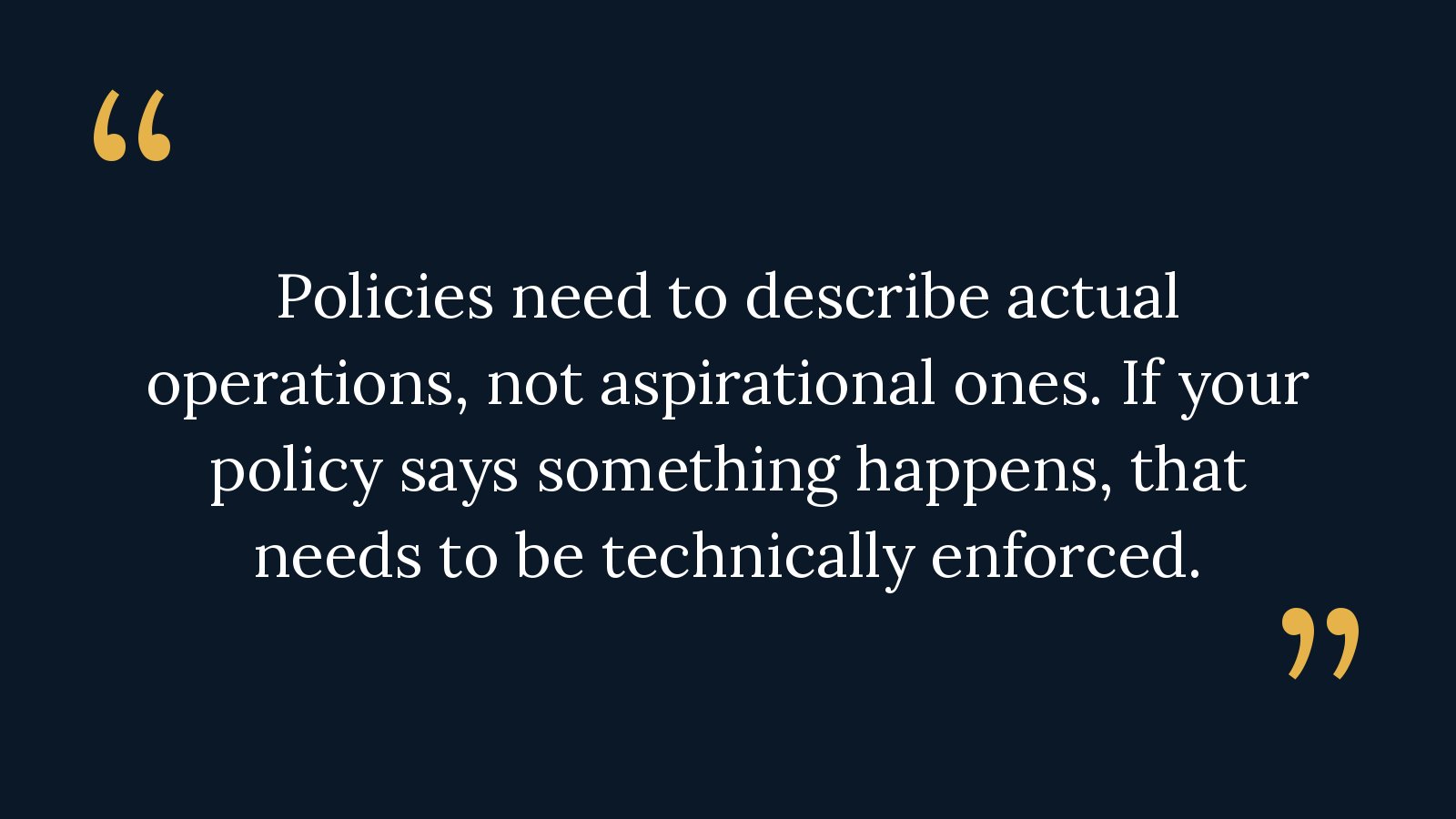
The most common failure is the gap between policy and practice. Organizations write comprehensive security policies that describe an ideal state, then operate in ways that don't match those policies. That's worse than having no policy—you've created documentary evidence that you're not following your own rules. Policies need to describe actual operations, not aspirational ones. If your policy says workstations automatically lock after five minutes of inactivity, that needs to be technically enforced, not just written down.
Another frequent failure is the one-and-done risk analysis. Organizations complete a risk analysis to satisfy an initial compliance requirement, then never update it. Your risk landscape changes constantly—new threats emerge, new systems get deployed, staff turnover affects security practices. An outdated risk analysis doesn't just fail to satisfy the Security Rule's requirement for ongoing risk management; it actively misleads your security decisions because you're operating on old information.
Business associate management is where mid-sized organizations struggle most. They identify obvious vendors like EHR providers and get BAAs in place, but they miss less obvious business associates—cloud backup providers, email service vendors, billing clearinghouses, third-party transcription services. If a vendor creates, receives, maintains, or transmits ePHI on your behalf, they're a business associate and you need a BAA. The focus on AI tools in healthcare has created new challenges here, which I've written about in Do AI Vendors Need to Sign a BAA?, but the fundamental requirement hasn't changed.
Encryption is another area where I see consistent gaps, particularly for data at rest. Many organizations encrypt data in transmission but leave ePHI unencrypted on laptops, backup drives, and mobile devices. When those devices get lost or stolen, unencrypted ePHI creates breach notification obligations. The addressable nature of encryption specifications has led some organizations to believe encryption is optional. It's not—if you're not encrypting, you need documented justification and equivalent controls.
Finally, many organizations underestimate workforce security requirements. Terminated employees retain system access, contractors get more permissions than necessary, generic accounts get shared across teams. These aren't minor procedural issues—they're fundamental access control failures that violate required standards. Maintaining clean access controls requires ongoing attention and regular access reviews, not just provisioning processes.
What Compliance Actually Looks Like in Operation
Understanding the HIPAA Security Rule in theory matters less than implementing it operationally. Compliance isn't a state you achieve once—it's an ongoing operational discipline that requires consistent attention and regular reinforcement.
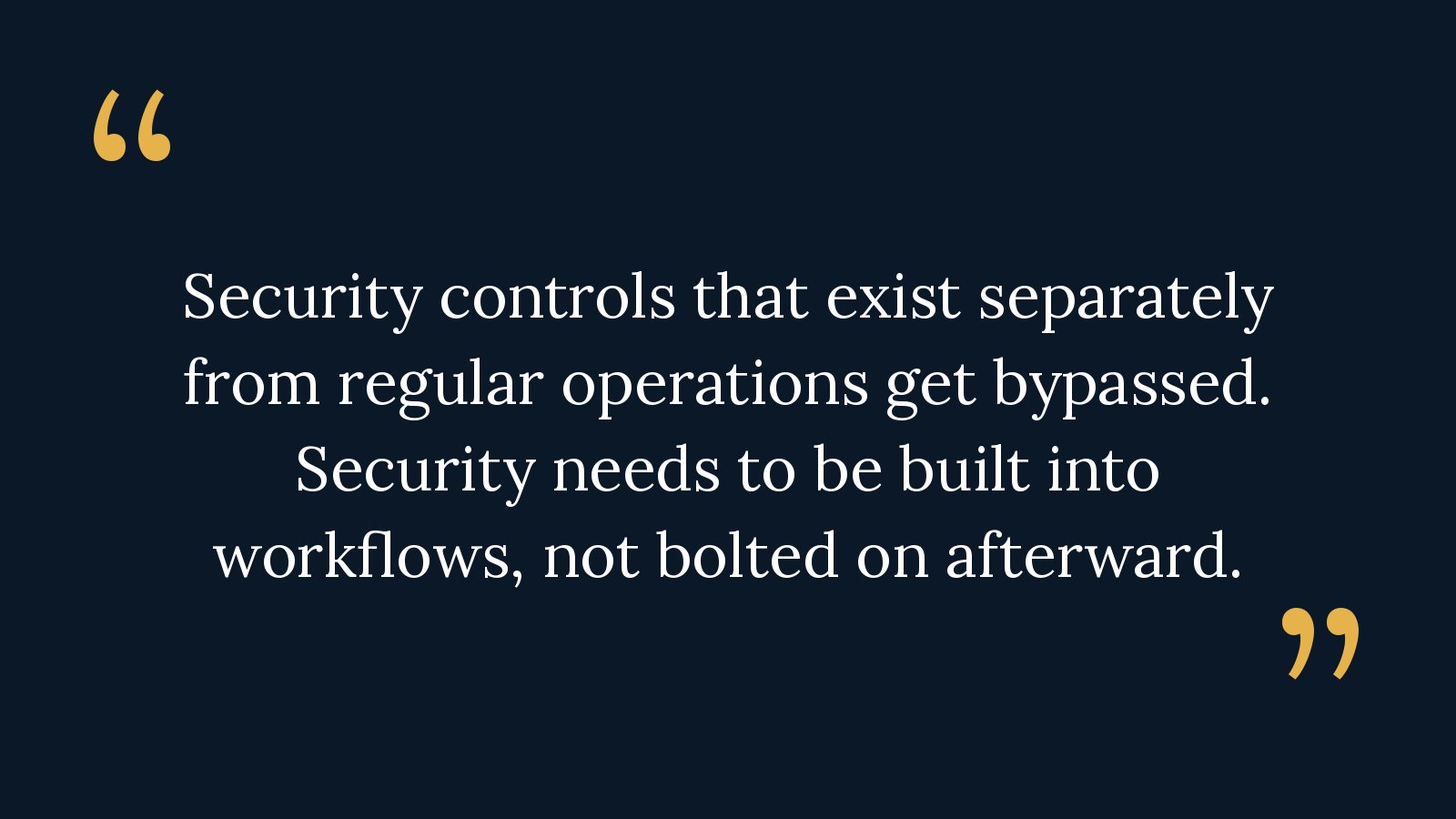
Operational compliance starts with integrated workflows. Security controls that exist separately from regular operations get bypassed. If your EHR login process is cumbersome, clinical staff will find workarounds. If your encryption policy makes file sharing difficult, employees will use unauthorized tools. Security needs to be built into workflows, not bolted on afterward. That requires involving actual users in security design decisions, not just imposing technical controls and expecting compliance.
Regular internal audits matter more than annual assessments. Monthly or quarterly reviews of access logs, policy compliance, and control effectiveness catch issues before they become violations. These don't need to be formal audits—structured reviews by your security official or IT team are sufficient. The goal is detecting drift and correcting course, not catching people doing wrong things.
Incident response is where preparation meets reality. Every organization will eventually face a security incident—a lost device, a phishing compromise, suspected unauthorized access. How you respond determines whether an incident becomes a reportable breach and potentially an OCR investigation. Having documented procedures, conducting tabletop exercises, and training staff on their roles makes the difference between controlled response and chaos.
Vendor management requires ongoing attention, not just initial BAA execution. Your business associates' security practices directly affect your risk. Regular attestations, security reviews, and communication about changes in their environment should be standard practice. When vendors experience breaches or security incidents, you need to know immediately, not when OCR asks why you didn't know.
The connection between security and privacy is where many organizations miss opportunities. The Security Rule protects ePHI, but it exists in service of the broader Privacy Rule requirements. Understanding privacy protection principles helps security decisions make more sense. Security controls that protect confidentiality, integrity, and availability directly support privacy objectives. They're not separate compliance exercises—they're integrated components of a comprehensive program.
Strategic Implications for Healthcare Leadership
Healthcare executives sometimes view the HIPAA Security Rule as an IT problem or a compliance department issue. That perspective misses the strategic dimension. Security program maturity directly affects patient trust, operational resilience, and regulatory risk. These are executive concerns, not technical details.
The financial stakes have increased significantly. OCR settlements now regularly reach seven figures for significant violations. The State of Montana recently settled for $2.8 million after a breach investigation revealed systemic Security Rule failures. These aren't outlier cases—they're the new enforcement pattern. Organizations that treat HIPAA compliance as a check-box exercise are accepting material financial risk.
Patient trust increasingly depends on demonstrated security competence. Patients know about healthcare breaches because they're frequently in the news. When they choose providers, security and privacy considerations factor into their decisions. This is particularly true for behavioral health and other sensitive services. Organizations that can articulate their security practices have a competitive advantage.
Operational resilience depends on the same controls the Security Rule requires. Availability is one of the three core objectives of the rule—ensuring systems and data remain accessible when needed. Controls that satisfy HIPAA requirements (backups, disaster recovery, contingency planning) are the same controls that keep your operations running during infrastructure failures, natural disasters, or cyberattacks. Security investment isn't separate from operational investment.
The healthcare industry's technology landscape is changing rapidly, particularly with increased adoption of AI tools for clinical and administrative functions. The HIPAA Security Rule's flexibility allows these innovations, but they need to be implemented within the rule's framework. Organizations that build security considerations into technology adoption decisions move faster and with less risk than those that bolt on compliance after deployment.
Board-level oversight of HIPAA compliance is becoming standard practice. Directors want to understand regulatory exposure, security program maturity, and incident response capabilities. CISOs and compliance officers need to present this information in business terms, not technical detail. The ability to translate Security Rule requirements into risk metrics the board understands is increasingly important.
The HIPAA Security Rule provides a framework that works if you implement it operationally, not just documentarily. The three safeguard categories—administrative, physical, and technical—address different dimensions of the same problem: protecting patient information in a complex, distributed technology environment. Organizations that integrate these requirements into regular operations build programs that satisfy regulators and actually reduce risk. Those that treat compliance as separate from operations build programs that look good on paper and fail under scrutiny.